Best Nicotine Pouches for Smokers (2027 Guide): Brands, Strengths & What to Know
2027 Guide | Editorial Review: November 2026

Many adult smokers are curious about nicotine pouches because they contain nicotine without burning tobacco. Unlike cigarettes, nicotine pouches do not produce smoke, ash or combustion-related emissions. However, they still contain addictive nicotine and are not risk-free.
People searching for the best nicotine pouches for smokers often want to understand the differences between brands, nicotine strengths, pouch formats and flavors. They may also want to know whether nicotine pouches can replace cigarettes or help with quitting.
This updated 2027 guide explains how nicotine pouches work, compares well-known brands including VELO, ZYN, White Fox, PABLO and KILLA, and examines what current research says about their potential benefits, risks and limitations.
Important health information: Nicotine is highly addictive. Nicotine pouches are not approved by the US FDA as smoking cessation products. People who want to quit smoking should consider evidence-based treatments such as approved nicotine replacement therapy, prescription medication and behavioral support.
Why Do Some Smokers Consider Nicotine Pouches?
Nicotine pouches are small, tobacco-leaf-free portions placed between the lip and gum. They contain nicotine, fibers, flavorings and other ingredients depending on the product.
Some adults who smoke consider them because:
- No combustion: The product does not burn tobacco.
- No smoke or ash: Nicotine is absorbed through the oral lining rather than inhaled through cigarette smoke.
- Different formats: Products are available in mini, slim and regular portions.
- Different nicotine contents: The amount of nicotine varies considerably between products.
- Different flavor profiles: Mint, citrus, berry, coffee and other flavors are available in some markets.
These differences explain why nicotine pouches attract interest from some adult smokers. However, convenience and the absence of combustion should not be confused with proof that a product is safe or an effective treatment for nicotine dependence.
What Matters When Comparing Nicotine Pouches?
1. Nicotine Content per Pouch
Nicotine pouch products can contain widely different quantities of nicotine. The most useful specification for comparing the amount contained in each portion is mg/pouch.
Another common measurement is mg/g, which describes nicotine concentration by weight. These figures should not be confused.
| Snusi Strength Classification | Nicotine per Pouch |
|---|---|
| Light | Up to 6 mg |
| Medium | 7–11 mg |
| Strong | 12 mg to under 17 mg |
| Extra Strong | 17 mg to under 25 mg |
| Extremely Strong | 25 mg and above |
These are editorial classifications used by Snusi.net, not clinical dosing recommendations. The amount contained in a pouch is also not necessarily the amount absorbed by the user.
Higher nicotine content can increase the risk of unwanted effects such as nausea, dizziness, headache, sweating and palpitations. Cigarette consumption alone is not a reliable way to determine an appropriate pouch strength.
2. Pouch Size and Format
Nicotine pouches are typically produced in several formats:
- Mini: Smaller portions containing less pouch material.
- Slim: Narrow, elongated portions.
- Regular or large: Fuller portions with different dimensions.
Pouch size alone does not determine nicotine content. Two products with the same format can have very different strengths.
3. Flavor Profiles
Nicotine pouches may contain peppermint, menthol, citrus, fruit or coffee flavorings. Mint and menthol can create a cooling or tingling sensation, but that sensation is not a reliable indication of how much nicotine is present.
Flavor preferences are subjective. They should not be interpreted as evidence that a particular product is safer or more effective for quitting smoking.
4. Moisture and Ingredients
Moisture content, pH and product formulation can influence the release and absorption of nicotine. Products with similar nicotine specifications may therefore produce different sensations.
Some users report oral discomfort, gum sensitivity or irritation. Persistent discomfort or visible changes in oral tissue should be evaluated by a healthcare or dental professional.

Nicotine Pouch Brands Compared: VELO, ZYN, White Fox, PABLO and KILLA
Different manufacturers offer different combinations of flavors, portion formats and nicotine concentrations. The following comparison describes common characteristics of five brands featured in the Snusi.net catalog.
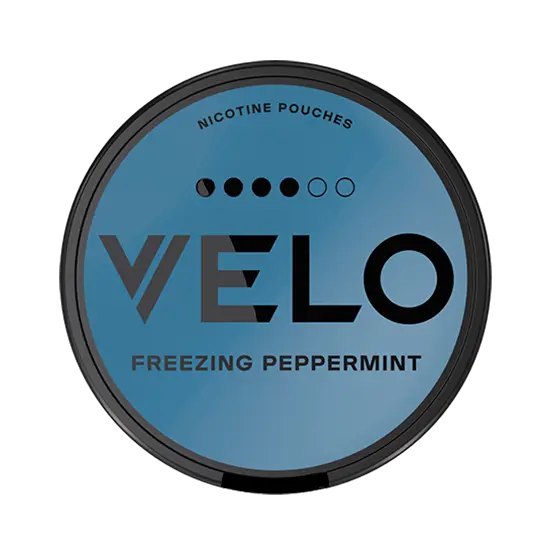
VELO – Broad Range of Flavors and Formats
VELO nicotine pouches include mint, peppermint, fruit and other flavor variants. The range contains different pouch formats and nicotine strengths, depending on the edition and market.
Some VELO products use mini portions, while others use slim formats. For example, VELO Crispy Peppermint Mini and VELO Crispy Peppermint Slim have different nicotine specifications despite belonging to the same flavor family.
Key characteristics: Multiple flavors, mini and slim formats, and varying nicotine content.
ZYN – Mint, Fruit and Coffee Profiles
ZYN nicotine pouches are available in several nicotine strengths and flavor profiles. Depending on the market, the range includes mint, citrus, fruit and coffee variants.
European ZYN editions may differ from similarly named products sold in the United States. Product specifications should therefore be checked for the exact market version.
Key characteristics: Different strengths, mini and slim formats, and several flavor families.
In June 2026, the FDA authorized specific reduced-risk marketing claims for 20 ZYN nicotine pouch products in the United States. That decision applies to the specified authorized products and claims; it does not mean all nicotine pouches are safe or approved for smoking cessation.
White Fox – Mint-Focused Product Range
White Fox nicotine pouches are primarily associated with mint-based flavor profiles, including Double Mint, All White Portion and Full Charge.
These editions have their own nicotine specifications and pouch formats. For example, Double Mint and Full Charge differ in both nicotine content per pouch and portion format.
Key characteristics: Mint flavors, all-white portions and several product strengths.
PABLO – High-Nicotine Product Variants
PABLO nicotine pouches include products with high nicotine concentrations, particularly within certain mint-focused ranges.
Some PABLO editions contain substantially more nicotine per pouch than lower-strength products from other brands. This increases the importance of distinguishing mg/pouch from mg/g and checking the precise edition.
Key characteristics: High-nicotine variants, mint and fruit flavors, and different product formulations.
High-nicotine products should not automatically be regarded as more suitable for people who smoke heavily.
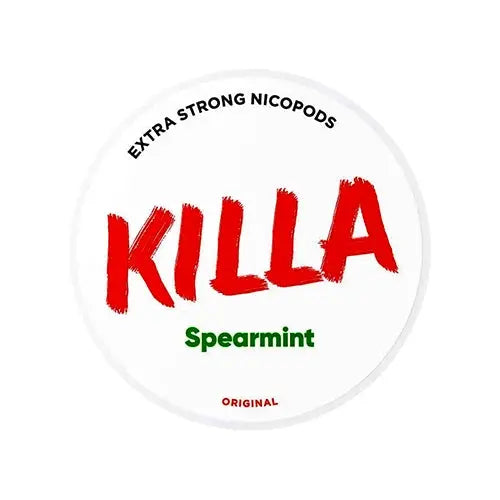
KILLA – Mint and Fruit-Flavored Products
KILLA nicotine pouches include fruit-oriented and mint-based products, with different nicotine quantities depending on the variant.
For example, KILLA Grape Ice combines grape and cooling notes. Its product specifications should be compared directly with those of other brands rather than relying on marketing labels such as "extra strong."
Key characteristics: Fruit and mint flavor profiles, slim portions and varying nicotine contents.
Nicotine Pouch Brand Comparison Table
| Brand | Flavor Profiles | Formats | Notable Difference |
|---|---|---|---|
| VELO | Mint, fruit, citrus | Mini, slim | Broad variant range |
| ZYN | Mint, fruit, coffee | Mini, slim | Market-specific editions |
| White Fox | Primarily mint | Slim, regular | Mint-focused range |
| PABLO | Mint, fruit | Mostly slim | High-nicotine variants |
| KILLA | Mint, berry, grape | Slim | Fruit-oriented variants |
Nicotine Pouch Flavors: Mint, Citrus, Mango, Berry, Cherry and Coffee
Flavor categories differ substantially between products. The following descriptions explain their general characteristics without ranking them as safer or more effective.
Mint and Menthol
Mint and menthol flavorings often create a cooling sensation. This sensation can feel intense even when the nicotine content is relatively modest.
Citrus
Citrus-flavored products may feature lemon, lime or other tangy flavor notes. The intensity of the flavor does not establish the product's nicotine strength.
Mango
Mango is a tropical fruit flavor that may be combined with sweetness or cooling notes depending on the formulation.
Berry
Berry-flavored products can contain strawberry, raspberry, blueberry or mixed-berry flavor profiles.
Cherry
Cherry flavoring may be described as sweet, tart or dark cherry depending on the edition and its other ingredients.
Coffee
Coffee-flavored nicotine pouches may include espresso, chocolate, vanilla or roasted-coffee notes.
Are Nicotine Pouches Less Harmful Than Smoking?
Cigarette smoking involves combustion, which produces numerous harmful chemicals. Nicotine pouches do not burn tobacco, so their exposure profile differs substantially from that of cigarettes.
However, reduced exposure to some harmful substances does not mean a product is harmless. Nicotine remains addictive, and the short- and long-term effects of nicotine pouch use continue to be studied.
In June 2026, the US Food and Drug Administration authorized a specific reduced-risk marketing claim for 20 ZYN nicotine pouch products. This authorization applies to those products under defined conditions, not to all nicotine pouches or every product from the same brand.
It is also important to distinguish switching completely away from cigarettes from using nicotine pouches alongside continued smoking. Continued cigarette use maintains exposure to combustion-related harms.
Official source: FDA – ZYN Modified Risk Authorization, June 2026
Can Nicotine Pouches Help Smokers Quit?
Some people who smoke report using nicotine pouches instead of cigarettes, but evidence that nicotine pouches reliably help people quit smoking remains limited.
In the United States, nicotine pouches are not FDA-approved smoking cessation aids. Authorization for a nicotine pouch to be marketed as a tobacco product, or with a specific modified-risk claim, is different from approval as a treatment for nicotine dependence.
People who want to stop smoking have access to established treatments, including:
- Nicotine replacement therapy such as patches, gum and lozenges.
- Prescription smoking cessation medications where appropriate.
- Behavioral counseling and structured quit-smoking support.
- Support from healthcare professionals and national quit-smoking services.
Combining approved medication with counseling can improve the chances of successfully quitting smoking.
Further reading: CDC – Nicotine Pouches and Smoking Cessation
You can also read our related article: Can Nicotine Pouches Help You Quit Smoking?
Health Risks and Side Effects of Nicotine Pouches
Nicotine pouches may cause unwanted effects, particularly when they contain high amounts of nicotine or are used repeatedly.
Potential effects include nausea, dizziness, hiccups, headache, increased heart rate, gum discomfort and irritation of the oral tissues.
Persistent pain, ulcers or visible changes in the gums should not be ignored. Nicotine products should be kept away from children and pets, and accidental ingestion may require urgent medical or poison-control assistance.
Nicotine pouches are not appropriate for children, adolescents, pregnant people or people who do not already use nicotine.
Frequently Asked Questions
What are the best nicotine pouches for smokers?
There is no single nicotine pouch proven to be the best for every smoker. Products vary in nicotine content, formulation, flavor, pouch size and potential adverse effects. Nicotine pouches are not approved smoking cessation treatments in the United States.
What nicotine pouch strength is equivalent to a cigarette?
There is no reliable one-to-one conversion. Nicotine absorption from cigarettes and oral nicotine pouches differs, and the amount stated on the package is not necessarily the quantity absorbed by the user.
Are nicotine pouches safer than cigarettes?
Nicotine pouches avoid tobacco combustion and have a different exposure profile from cigarettes. However, they are not harmless, and the available evidence does not establish that every nicotine pouch has the same health-risk profile.
Can nicotine pouches help you quit smoking?
Evidence is still developing. Nicotine pouches are not FDA-approved smoking cessation aids. Approved medications and behavioral support have stronger evidence for helping people stop smoking.
What is the difference between VELO and ZYN?
VELO and ZYN are different nicotine pouch brands offering multiple flavors, strengths and portion formats. Their specifications vary by product and country.
Are strong nicotine pouches better for heavy smokers?
Not necessarily. Higher nicotine content can increase the likelihood of adverse effects. The number of cigarettes smoked does not reliably determine the appropriate nicotine pouch strength.
Do nicotine pouches contain tobacco?
Nicotine pouches generally do not contain tobacco leaf, although the nicotine may be derived from tobacco or manufactured synthetically. They are different from traditional Swedish snus, which contains tobacco.
Can nicotine pouches irritate your gums?
Yes. Some users experience irritation, soreness or changes in the oral tissues. Persistent symptoms should be assessed by a dental or healthcare professional.
Final Thoughts: Nicotine Pouches and Smoking in 2027
Nicotine pouches differ from cigarettes because they deliver nicotine without burning tobacco. That makes their chemical exposure profile different, but it does not eliminate addiction or other health risks.
Brands such as VELO, ZYN, White Fox, PABLO and KILLA offer a variety of nicotine contents, flavors and portion formats. Understanding these specifications is more useful than relying on broad claims that one brand is universally best or that stronger products are necessarily more effective.
For smokers whose goal is to stop using cigarettes or nicotine entirely, approved cessation treatments and professional support remain important evidence-based options.
Related Guides from Snusi.net
- Can Nicotine Pouches Help You Quit Smoking?
- Nicotine Pouch Strengths Explained
- Best ZYN Flavors Guide
- Nicotine Pouch Product Catalog
Sources and Further Reading
Last editorial review: November 2026.
Guide edition: 2027.
Disclaimer: This content is for general information and does not constitute medical advice.
Best sellers